Creating nurturing child care experiences is essential for supporting healthy development and giving families peace of mind, especially across Central New York (CNY), where communities value close connection and trust. Child care environments are often a child’s first experience outside the home, making them critical spaces for emotional security, curiosity, and growth. When care settings prioritize warmth, consistency, and responsiveness, children are more likely to feel safe exploring their surroundings, building relationships, and developing confidence that carries into later stages of life.
Playtime as a Foundation for Learning
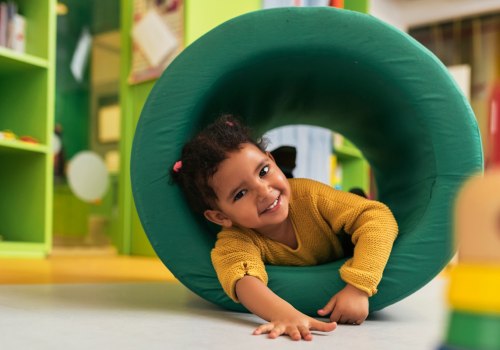
Play is at the heart of meaningful child care. Through play, children learn how to communicate, solve problems, and understand their emotions. Structured and unstructured play activities help develop motor skills, creativity, and social awareness while allowing children to express themselves freely. In nurturing child care settings, play is not simply a way to pass time—it is intentionally designed to support learning in age-appropriate, engaging ways. Educators and caregivers guide play experiences gently, encouraging cooperation and curiosity without overwhelming young minds.
Emotional Safety and Trust-Building
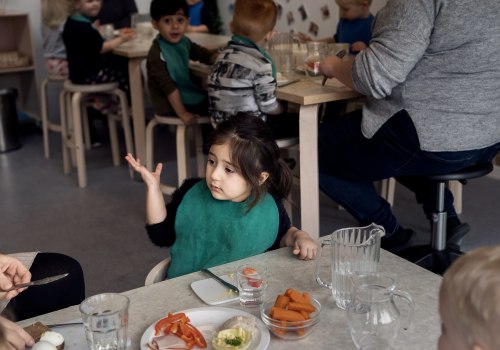
A key element of nurturing child care is emotional safety. Children thrive when caregivers are attentive, patient, and consistent in their responses. Trust is built through routines, clear expectations, and compassionate communication, helping children feel secure even when separated from their families. This emotional grounding supports self-regulation and resilience, allowing children to navigate new experiences with confidence. For parents, knowing their child is emotionally supported brings reassurance and peace of mind during the workday.
Creating Calm, Supportive Environments
The physical environment also plays a vital role in shaping child care experiences. Thoughtfully designed spaces with natural light, calming colors, and organized activity areas help reduce overstimulation and promote focus. Quiet corners for rest, open areas for movement, and creative zones for art and imagination contribute to balanced daily experiences. Spaces inspired by holistic values, such as Apollo House, reflect how environment and intention work together to create a sense of calm, care, and belonging that benefits both children and caregivers.
Supporting Families Through Reliable Care
Nurturing child care extends beyond the child to support families as a whole. Reliable programs help parents manage work and personal responsibilities with confidence, knowing their children are in capable, caring hands. Open communication between caregivers and families strengthens this partnership, allowing parents to stay informed about their child’s progress, needs, and daily experiences. When families feel supported, trust deepens, and the child care experience becomes a collaborative effort rather than a transactional service.
Encouraging Social Growth and Independence
Quality child care programs in CNY also focus on social development and independence. Group activities teach children how to share, listen, and empathize with others. At the same time, caregivers encourage age-appropriate independence by allowing children to make simple choices, try new tasks, and build problem-solving skills. This balance between guidance and autonomy helps children develop a healthy sense of self while learning to navigate social environments.
From Daily Care to Lasting Confidence
From playtime to peace of mind, nurturing child care experiences lay the groundwork for lifelong well-being. By combining emotional support, intentional play, calming environments, and strong family partnerships, child care programs in Central New York help children grow into confident, secure individuals. These early experiences shape how children learn, connect, and thrive—making nurturing care one of the most meaningful investments a community can offer its families.